Thursday, September 15, 2011

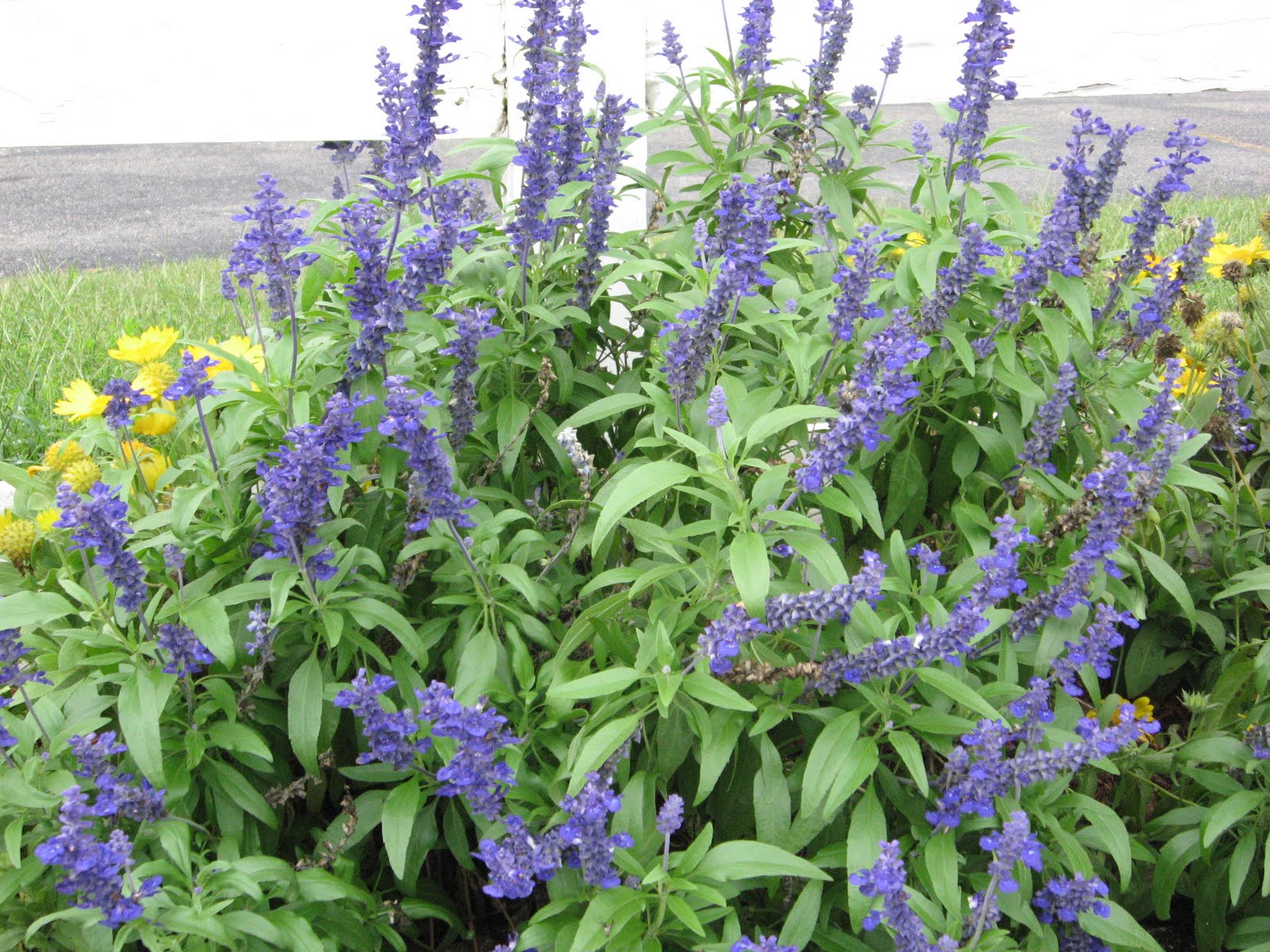
Annual Blue Salvia


Blue Salvia
Salvia farinacea 'Victoria Blue'

Annual Salvia makes an attractive display in your garden or container and comes in a variety of colors. All have the same general characteristics and likes and dislikes. I will refer to only the blue Salvia pictured above, which has been thriving all summer outside our greenhouse complimented by yellow Gaillardia.
The Victoria Blue Salvia pictured is a true blue color which is a highly sought color in many gardens. It grows 18-24" tall and wide, and the flower spikes can be as long as 8-10". The gray green foliage complements the flowers nicely, and this plant once established is quite drought resistant. Planted in a sunny location in well drained soil, this annual will provide you with masses of color all summer long and well into the fall. As with all annuals, fertilization at least once a week will keep them looking outstanding.
These beautiful blue flowers are very attractive to butterflies and hummingbirds, but not at all to deer, and do not have to be deadheaded to continue flowering. They really do stand out strikingly in the middle of a container planter with Lantana, Lysimachia, or Calibrachoa around the outside. For easy care, deer resistant, continuous blooming, bright blue color in your gardens or containers next year, try this variety and be amazed at the compliments you get from the neighbors.

By: Sandy Weinkam
A.J. Rahn Greenhouses

Friday, September 2, 2011

Annual Lantana


Lantana

Lantana plants are grown as annuals in zones 1-7, where they are quite prolific bloomers all summer long in full sun. They are very drought tolerant once established, and not picky about soil type as long as it is well drained. They come in a range of colors from reds, yellows and oranges, to pink, rose and lavender. For full plants with lots of blooms all summer, fertilize every week with a general purpose fertilizer, or a bloom booster formula.
These hard working, long blooming plants can be used as specimen plants, in containers, planted in masses, or some varieties are trailing and look great in hanging baskets. We have both varieties growing at the greenhouse, some in window boxes, others planted in flowing masses in our entrance garden and they are thriving! They attract lots of butterflies, but deer will avoid these plants completely, preferring more tender and tasty plants than Lantana. Customers who have fairly large herds grazing in their yards have told us the deer won't touch these plants, helping hold down frustration levels for our avid gardeners.

By: Sandy Weinkam
A.J. Rahn Greenhouses

Thursday, August 25, 2011

Cone Flower


Cone Flower
Echinacea

A real workhorse perennial in the garden, the coneflower will continuously bloom from late June until frost. New varieties now come in colors other than purple, ranging from many shades of yellow, pink to red, chartreuse, and shades of orange, as well as white. My favorite combination in terms of variety name, are the red Tomato Soup, and the very yellow Macaroni and Cheese. They sound good enough to eat! Height ranges vary from very short 6-8" varieties, to 18-24" types, making them very versatile in front or in the back of your perennial bed.
Cone flowers thrive in full sun, are very drought resistant once established, and faithfully return every spring fuller than the year before. Treated with a slow release fertilizer in early spring, your cone flower plant will be even more colorful and full than it would be if just left alone. They aren't picky about soil and will grow in most any type you may have, but as with all plants, do better in a richer well drained soil. Side dressings of compost in early spring will achieve both a better soil consistency and provide fertilizer at the same time! When establishing a new plant, keep it watered when dry until it really gets its roots set. This may take an entire season to accomplish, but well worth it for a very strong plant for many years to come.
Finches love the seeds in the center cone of these flowers, so don't deadhead them too soon, giving the birds a chance for a fresh treat. As with all fuzzy leafed plants, deer won't munch on them.

By: Sandy Weinkam
A.J. Rahn Greenhouses

Tuesday, August 16, 2011

August Lily


August Lily
Lycorus

The August Lily, blooming now in many gardens, has many common names by which it is known, depending on what part of the country it is growing in. Known as the Surprise Lily, the Magic Lily, the Naked Lily, or the Assumption Lily, as well as August Lily, this hardy bulb is very long lived. In my own father's garden, this flower has been showing off every year since he was a small boy, and he is now 86 years old! Each year the clumps multiply with more flowers, yet never take over and crowd out other plants.
In early spring, deep green strap-like foliage appears for 6-8 weeks, then dies completely to the ground. Not until early August do you see any activity in the soil where the foliage was, then almost like magic, the leafless 24" stem of the flower stalk appears, taking only about a week to reach full size and bloom! On each flower stalk are up to 8 lily like pink-lavender outward facing flowers. These will bloom for up to three weeks if the weather isn't too hot. They prefer sun to part sun, and may not bloom for a year or two if they are moved. Soil fertility doesn't seem to affect flowering, nor does fertilization seem to make a huge difference. Best of all they are deer and rodent resistant!
For years of easy care, beautiful flowers each August, this bulb is an excellent choice!

By: Sandy Weinkam
A.J. Rahn Greenhouses

Monday, August 8, 2011

Perennial Coreopsis


Coreopsis
Tickseed

Coreopsis is a native North American plant that will grow and flourish in even the least fertile area of your sunny perennial garden. With its cheery yellow flowers, this plant will bring many delightful summer months of color. Newer cultivars also come in a variety of lighter yellows, shades of lavender, and the newest ones in deep yellow with burgundy red eyes.
This native species thrives in full sun and blooms all summer until frost. Once established it is very drought resistant, and will do best in fairly good soil with some fertilizer in early spring. Some species can be as tall as 3', while others may only reach 8-12". Foliage is of two types. The threadleaf varieties have a very ferny type foliage and tend to be shorter and more spreading in their habit, for instance the Moonbeam Coreopsis. The grandiflora types have a more upright habit with stiffer leaves that are deep green and pointed. The variety pictured is Jethro Tull, a grandiflora type with fluted petals that is very floriferous. The flowers are very attractive to butterflies, but not at all to deer, a real plus with our exploding deer population! When they begin to outgrow their space, you can split the plants in early spring and either share them with neighbors, or find a spot in another garden of your own that could use more bright summer color.

By: Sandy Weinkam
A.J. Rahn Greenhouses

Monday, August 1, 2011

Giant Elephant Ear


Giant Elephant Ear
Colocasia gigantea

For a truly car stopping, eye popping plant to grow in your garden, try this tropical monster plant from Thailand! These plants can grow 6-10' tall in a single season, and they get their name from their resemblance in size and shape to an elephant's ear. The leaves can reach proportions of 5'x4', and are rounded and a beautiful blue green color. As you can see from the picture, it has a bloom that is much like the bloom of a peace lily, though much, much larger.
This bulb plant prefers a shady to part shady location with ample room and some wind protection. Provide an acidic, well drained soil for optimum conditions for massive growth. Water this plant often, not allowing it to dry out between waterings, and fertilize at least once a week with a high nitrogen fertilizer. Grown here in Cincinnati, this plant will not survive the winter outside, but before the first frost you can cut it back, dig it up and dry the bulb, then keep it in a cool dry place for the winter, or you can keep it in a large pot inside. Beware though, as you will need lots of room if you plan on growing it through the winter. You can get a head start on the new season by starting the bulb in a pot inside in early spring, then after danger of frost, replant it in your garden for another spectacular summer!

By: Sandy Weinkam
A.J. Rahn Greenhouses

Wednesday, July 27, 2011

Black Eyed Susan


Black Eyed Susan
Rudbeckia

The Black Eyed Susan is a staple in the perennial garden, and shows off loads of blooms and color every summer. An extremely hardy perennial, the Black Eyed Susan is not fussy about soil conditions, and is very drought resistant once established. Planted in full sun, these plants will bloom well into fall with little or no care.
A dose of slow release fertilizer in spring will be greatly appreciated, and occasional watering in drought conditions will keep these cheery yellow flowers coming back stronger every year. When the planting gets too large for it's space, divide the plant in spring when it begins to reappear, then trade with a neighbor for some plant they may be dividing, or just share yours. What a wonderful way to be neighborly, and perhaps add a new perennial to your own collection! Best of all, these plants are deer resistant, but keep in mind deer may try anything if they are desperate. Paired with purple coneflower, these two make wonderful taller backdrops in your perennial garden.

By: Sandy Weinkam
A.J. Rahn Greenhouses